Florida Delays Execution After SCOTUS Strikes Down Death Penalty System

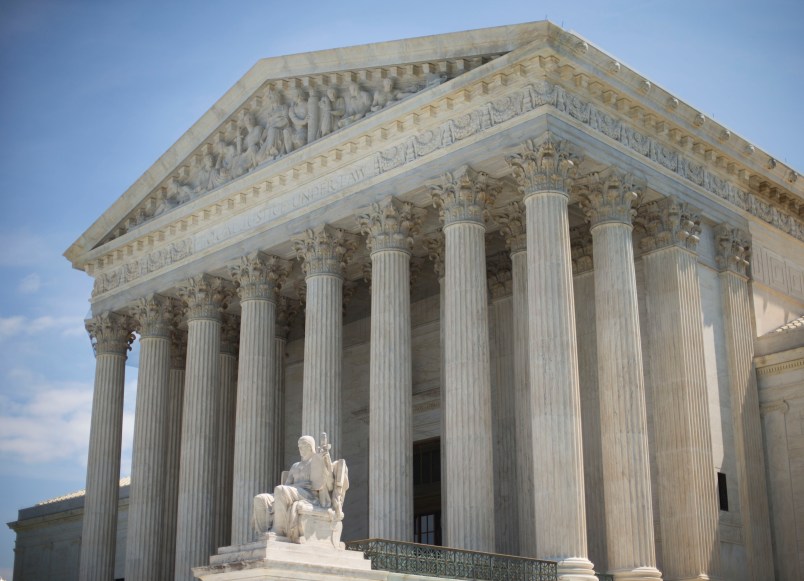
FILE - This Monday, June 30, 2014, file photo shows the Supreme Court building in Washington. No one on the Supreme Court objected publicly when the justices voted to let Arizona proceed with the execution of Joseph ... FILE - This Monday, June 30, 2014, file photo shows the Supreme Court building in Washington. No one on the Supreme Court objected publicly when the justices voted to let Arizona proceed with the execution of Joseph Wood, who unsuccessfully sought information about the drugs that would be used to kill him. Nor did any of the justices try to stop the deaths of inmates in Florida and Missouri by lethal injection. Even as the number of executions annually has dropped by more than half over the past 15 years and the court has barred states from killing juveniles and the mentally disabled, no justice has emerged as a principled opponent of the death penalty. (AP Photo/Pablo Martinez Monsivais, File) MORE LESS

TALLAHASSEE, Fla. (AP) — The Florida Supreme Court has delayed the execution of a death row inmate after his attorneys argued that the state should first determine how to apply a recent U.S. Supreme Court ruling that the state’s death penalty system is unconstitutional.

Michael Lambrix was scheduled to die by lethal injection on Feb. 11. The court on Tuesday said that it would be delayed until it issued another order. The court did not provide further details.

The U.S. Supreme Court last month found Florida’s death penalty system flawed because it allows judges, not juries, to decide death sentences.

Scott Browne of the Florida Attorney General’s office said the ruling should not apply to already-decided cases, and wanted the state to execute Lambrix as scheduled.

Lambrix was sentenced for the 1983 slayings of two people he met at a bar. Prosecutors said he killed them after inviting them home for dinner.